In the vast landscape of the internet, having a stunning website isn’t enough to ensure success. To truly stand out and attract the right audience, mastering SEO is essential. SEO—short for search engine optimization—is about helping search engines understand your content, and helping users find your site and make a decision about whether they should visit your site through a search engine. By implementing effective SEO strategies, you can improve your website’s visibility and climb higher in Search Engine Results Pages (SERPs). In this blog, I will discuss the best practices that will help you elevate your website’s ranking and drive more organic traffic.
Before proceeding, first check whether google is able to find your site or not by site:site operator:
site:sitecorepractice.comIf not, Google hasn’t found your site at all. Try submitting sitemap?
After your site appears in search results, the next step is to consider on-page and off-page suggestions to improve its ranking. On page include Content Optimization, mobile optimization, website structure optimization, etc. and Off page may include backlinks, social media engagement and promoting, etc.
Lets start,
Influence how your site looks in SERP:
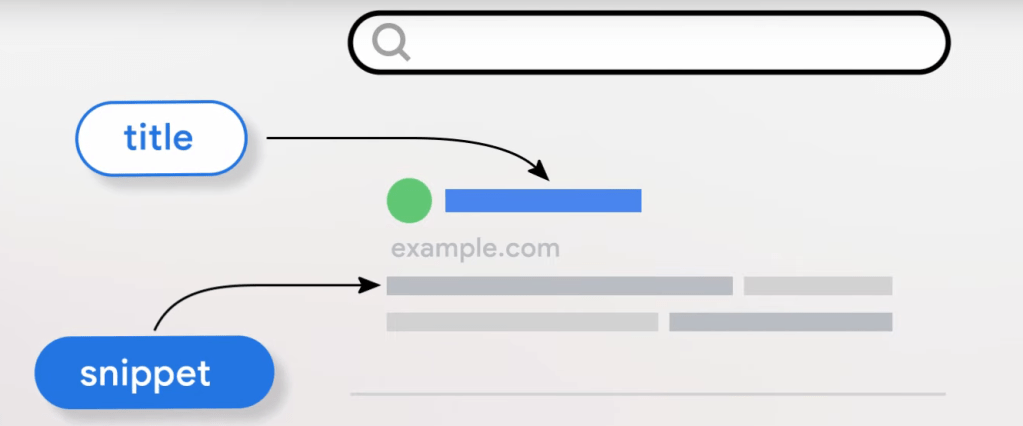
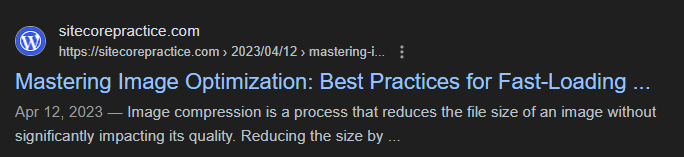
Choose the right title that best describes the content on the page. Search Engine usually picks from <title > or heading tags from the page. This title text can also be used for the title that’s shown in browsers and bookmarks. Other factors influencing the title.
Second part that shows in SERPs is snippet. It is typically from the description/meta description of the page. You can control the snippet in the search page by following:
Omit showing snippet by adding <meta names=robots content="nosnippet"/>
You can control the amount of description by adding <meta names=robots content="max-snippet:[number]"/>
If you don’t want certain element to not appear in snippet, then use <span data-nosnippet> <span/>
Conduct Comprehensive Keyword Research
Keywords are the foundation of SEO. Begin by researching relevant keywords and phrases that align with your content, products, or services. Utilize tools like Google Keyword Planner, SEMrush, or Ahrefs to identify high-volume keywords with moderate competition. Incorporate these keywords strategically into your website’s content, titles, meta descriptions, and headings to optimize for search queries. Imagine you’re selling yummy cupcakes. What words would people type into Google to find them? Those are your keywords! Try things like “delicious cupcakes” or “best bakery near me.”
Optimize On-Page Elements
Maximize the visibility of your web pages by optimizing on-page elements. Craft compelling meta titles and descriptions that accurately reflect the content of each page and entice users to click.
Images also pay a important role. Say, user is looking for some recipe, then its likely that user will choose/click the post based on visual presentation. Add high quality images near relevant text and also make sure to add the descriptive alt tag for the image.
To check if google is able to see all content and components on page as your see by Inspection Tool and Rich Results (see structured content). Google view can be different from the way you are seeing your web page. Say, some content is generated on the run by some JS, google won’t be able to see that.
Reduce duplicate content
Sometimes there are different URLs on website with same type of content. For such type of scenarios, search engines choose only one page URL in search results. While having duplicate content on your site does not violate any spam policies, it just create a poor user experience and cause search engines to waste crawling resources on irrelevant URLs. Search engines mostly figure this out on their own. However, its better to use the rel="canonical" link element or set up redirect to right URL
Create High-Quality, Relevant Content
Content is king in the realm of SEO. Produce informative, engaging, and original content that provides value to your audience. Conduct thorough research, address common pain points, and aim to solve users’ queries. Incorporate multimedia elements such as images, videos, and infographics to enhance the appeal of your content and encourage sharing.
Adding schema markup to a page can help improve organic search results and SEO
Use Descriptive URLs
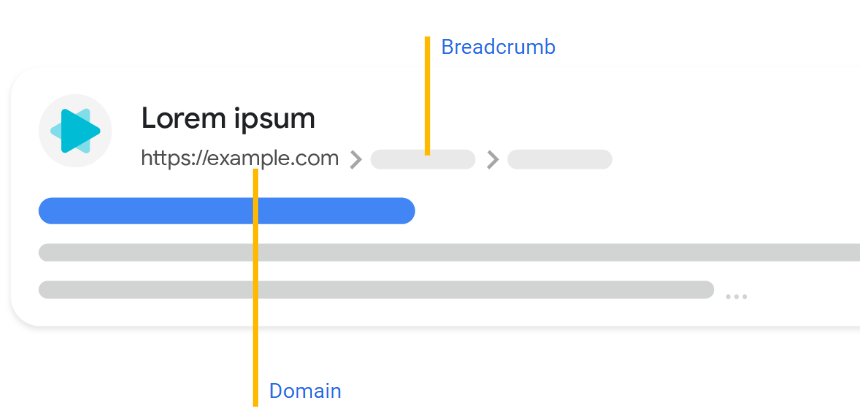
Ensure your URLs are concise, descriptive, and contain relevant keywords. Parts of the URL can be shown as breadcrumbs in search results, allowing users to assess whether a link will be relevant and helpful to them. Google automatically identifies breadcrumbs from page, however, we can add structured data too for more visibility and keyword targeting.
Link to Relevant Resources
Search engines primarily discover new pages through links, making them a crucial resource for ensuring that your pages are found by Google and potentially displayed in search results.
Anchor links text play a vital role in informing users and search engines about the content of the linked page. With appropriate anchor text, users and search engines can easily understand the relevance of your linked pages before visiting them.
When you link the external site URLs inside your site but do not want search engine to link or crawl it along with your site, then we mention unfollow in link. More tags like this. Use it for forum posts and comments, to prevent spammers.
Prioritize Mobile Optimization
In today’s mobile-centric world, optimizing your website for mobile devices is imperative. Google prioritizes mobile-friendly websites in its ranking algorithms, so ensure your site is responsive and provides a seamless user experience across all devices. Test your website’s mobile-friendliness using Google’s Mobile-Friendly Test tool and address any issues that may arise. Use AMP(Accelerated Mobile Pages) for high speed and better user experience on mobile.
Enhance Page Speed
Page speed is a crucial factor that influences both user experience and search engine rankings. Improve your website’s loading times by optimizing images, leveraging browser caching, and minimizing unnecessary HTTP requests. Tools like Google PageSpeed Insights can help identify performance bottlenecks and provide actionable recommendations for optimization.
Use https://pagespeed.web.dev/ to analyze the pages and work on the problem areas. Check performance, accessibility, best practices and SEO score.
Work on optimizing the Web Core Vitals, which include First Contentful Paint (FCP), Largest Contentful Paint (LCP), Total Blocking Time (TBT), and Cumulative Layout Shift (CLS).
Build Quality Backlinks
Backlinks from authoritative and relevant websites serve as a vote of confidence in the eyes of search engines. Focus on acquiring high-quality backlinks through guest blogging, influencer outreach, and content promotion. Foster relationships with industry peers and collaborate on content initiatives to expand your backlink profile organically.
Harness the Power of Social Media and Content Distribution
Amplify the reach of your content by leveraging social media platforms and content distribution channels. Share your articles, blog posts, and infographics across popular social networks like Facebook, Twitter, LinkedIn, and Instagram. Engage with your audience, participate in relevant discussions, and encourage social sharing to broaden your content’s visibility.
Continuously Monitor and Adapt Strategies
SEO is an iterative process that requires continuous monitoring and optimization.
- Build and submit the sitemap to make sure google find your content updated and new. If you want to crawl single URL then URL inspection tool from Google search console.
- Maintain a Robots.txt to stop crawling of certain pages or content and encourage crawling of sitemaps. Don’t use robots for prevent indexing certain content, better use
noindextag for that. - Utilize tools like Google Analytics and Google Search Console to track key metrics such as website traffic, keyword rankings, and user engagement.
- Analyze the performance of your SEO efforts, identify areas for improvement, and adapt your strategies accordingly to stay ahead of the competition.
Sometimes, even after applying strategies, things do not appear to work out. Please check for broken pages, structured snippet, links, and problems with HTML tags through Google Search Console.
In conclusion, implementing these SEO best practices can significantly improve your website’s visibility and performance in search engine results. However, it’s important to note that SEO is an evolving field, and there are no guarantees of immediate or sustained results. The competitive nature of online content and the ever-changing algorithms of search engines mean that success requires continuous monitoring, adaptation, and refinement of your strategies. While these suggestions can certainly elevate your SEO efforts, it’s essential to approach SEO as a long-term investment and stay informed about industry developments to maximize the impact of your optimizations.
 Tech with Jagmeet
Leave a comment